VCNB Fraud Department: Protecting Your Accounts

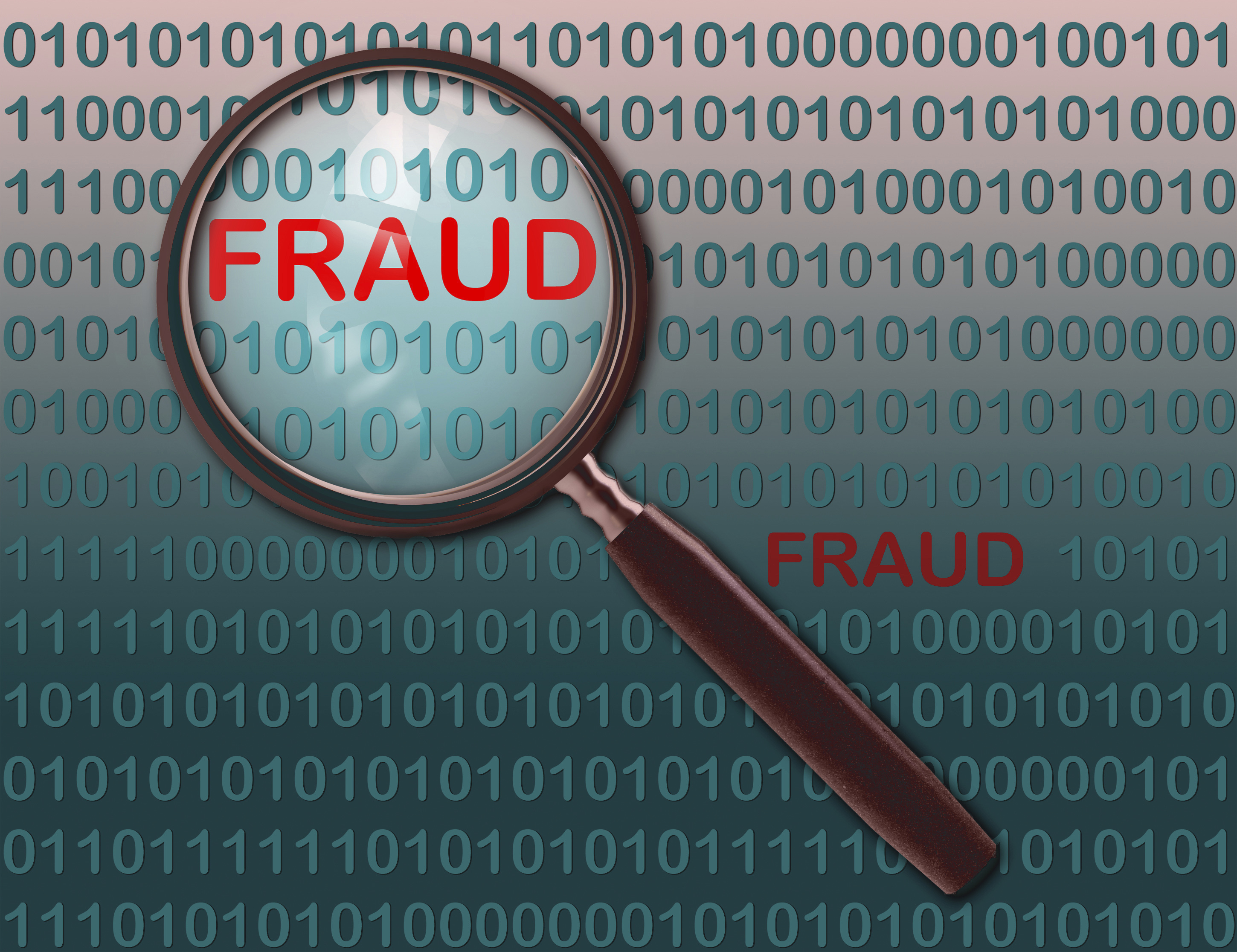
Fraud is on the rise, putting every American at risk of becoming a victim. This is why the security of your VCNB accounts is our number one goal. In everything we do, every decision we make, we first consider the risk involved and how our actions will affect your security.

We have systems in place to keep your Debit/ATM card and your VCNB accounts safe and secure. To protect your account, we monitor your transactions for possible fraudulent activity 24 hours a day, every day of the year.

What is potential fraudulent activity? Some red flags include a string of expensive purchases inconsistent with your usual spending patterns or a sudden change of locale. We also look for patterns associated with new fraud trends around the world.

For example, if you purchase gasoline in Lancaster, Ohio just hours after a purchase is made in Florida, this would raise a red flag. A series of purchases for hundreds of dollars of merchandise may also be cause for concern.

If we suspect fraudulent activity, our monitoring agency will call you to verify the validity of your transactions. It is imperative that you respond to this call to prevent additional risk and avoid restrictions that we may place on your card for your protection.

If we contact you:

  • You will be contacted between the hours of 8 a.m. and 9 p.m. in your local time zone.
  • An automated call will ask you to verify recent activity on your card.
  • You will be able to respond via your touchtone keypad.
  • You will be provided a toll-free number to call if you have additional questions.

If we are unable to reach you, the transaction that triggered the suspected fraud may not be approved. Also, your card may be temporarily restricted to prevent your exposure to fraud.

It is imperative that we reach you if potential fraud is detected so please keep VCNB apprised of your correct contact information including home, cell and work phone numbers, email address and home address.

Also remember that our policy is to never solicit personal information via phone, email or text message. If someone contacts you requesting account information, your social security number, PIN, passwords or other personal information, do not provide this information.

If you are uncertain about the validity of a contact you receive from someone claiming to represent VCNB, please call our Customer Service Department at 1.800.542.5004 or the number on the back of your card.

Want to learn more? Stay tuned. Later this week we’ll talk about what you can do to protect yourself and your accounts from fraud.

Avoid Christmas Debt This Year

Christmas and BillsLet’s talk Christmas. We know it’s only August but it’s time.

Christmas is now less than five months away. That means in just a few months we will be celebrating this joyous season. What comes to mind? Family traditions, delicious food, stockings filled with candy and buying gifts? The song tells us it is the most wonderful time of the year but that isn’t the case for everyone.

Unfortunately, Christmas also is the most expensive, most stressful and most debt filled time of the year for millions of Americans. As Santa’s Wish List grows every year, so does the amount of debt Americans owe every January. If you typically are still paying for Christmas when Groundhog Day rolls around, now is the time to think about how to avoid debt and the interest that comes with it, beginning this year.

There are several ways you can tackle this problem. The first is to shop year round. If you need generic gifts for co-workers or if you already know what you are giving someone, watching sales and clearance racks is a great way to pick up nice gifts while saving a few dollars. If you buy just one or two gifts a month, when December rolls around you’ll be ahead of the game. Start with after-Christmas sales, to save a bundle for next year.

Another way to go is to begin saving a little bit each month. Start by adding up all your anticipated holiday expenses: gifts, cards, stamps, wrapping paper, bows, food, travel costs and anything else that is an added expense during the holiday season. There are five months until Christmas. Is it possible to save a fifth of the total each month?

If the answer is yes, that’s terrific! Start squirreling away the money today!

If the answer is no, think about how much you can save. Are there expenses you can trim to get you to your goal? Maybe you have something to sell. Maybe you can cut back on the holidays some and lower your savings expectations.

Even if you can save just a small amount of your goal before the holidays, it will give you a leg up when shopping season arrives.

Speaking of savings for the holidays, in October we will begin enrolling folks for the 2016 Christmas Club. You decide how much you would like to save each month and we will automatically take your payments from your checking or savings account. In October 2016, you’ll receive a check from us for the full amount of your Christmas Club savings. There is a $20 fee for an account that is closed early. See an account representative for details.

Imagine starting the year without Christmas debt. It can be done if you get organized and begin in advance!

Simplify Money Management With VCNB

This week is National Simplify Your Life Week. That sounds nice but sometimes simplification is the hardest thing you can do. Between work and family, it often feels like a struggle to just keep everyone fed and on time for school.

Since much of your life hinges on money – paying bills on time, buying groceries, saving money and the piece of mind that comes with knowing these things are done – we want to give you a quick overview of how you can simplify your money.

If you’re a VCNB customer, you have access to several of things that will make your life easier thanks to Online Banking and VCNB Mobile. Accessing accounts electronically really is a lifesaver for a lot of our customers. Need to save money? You can automate it and forget it. Have trouble paying bills on time? You can automate those too! Do you sometimes overdraw your checking account? Get a balance alert via text or email when you go below a certain balance!

Here are some features that will simplify your life:

Save Money
Experts say you should save ten to fifteen percent of your income toward retirement. They also recommend having an emergency fund to help with life’s little surprises. But are you actually saving? Schedule on-demand transfers from your checking to your savings. Better yet, set up automatic transfers to ensure it is done regularly. Automatic transfers can be scheduled for any amount on any day of the month. Just set it up once and watch your balance grow!

Think you won’t be able to leave your savings alone? A lot of our customers use Christmas Club accounts as a means to save. Regular transfers are made from your checking or savings account into a Christmas Club account. Since there is a $20 fee to access those funds before the Christmas Club cycle finishes, most customers successfully reach their savings goal.

Track Money
Do you sometimes overdraw your account? Wonder if your direct deposit hit your account? Forget to make a loan payment? Set up account alerts for these things and more. There are nineteen different account alerts that can be sent via text or email. If you need a gentle reminder that your car payment is due or if you want to know that a check cleared, we will let you know!

Do you have a lot of plastic in your wallet? Between credit cards and store rewards cards, most Americans are carrying a lot of plastic. You can personalize your VCNB debit card to make it easy to find. Upload your own picture or use one of ours for a $5 annual fee! Locating your debit card has never been simpler!

Pay Bills and Spend
It’s a fact of life. Busy people often pay bills late. Whether it’s a lack of time or stamps, or simple forgetfulness, it’s easy to incur a late fee. Streamline your bills with Online Bill Pay. You can put your payments on autopilot and schedule them to pay the same day every month or you can manually schedule payments as needed. Either way, the service is free as long as you use it at least once a month. Otherwise, there is a $3 monthly fee.

If you use Online Bill Pay, you also have access to Popmoney ® personal payment service. Popmoney allows you to send money to anyone with just their email or mobile phone number. Best of all, other people can send you money too! So the next time you split the cost of a gift for your boss you can just send your share via Popmoney. If you buy concert tickets for the gang, they all can send your share to you! The cost is .50 per transaction for the person who sends the funds.

Save Time
Online and on your mobile device, you can save yourself time by checking balances, paying bills and keeping things straight. But did you know you can also save yourself a trip to the bank? Use our mobile app to deposit a check for just .50! You can do this by logging into your mobile account and taking a picture of the front and back of the check. CLICK HERE for complete instructions and details. (W/LINK TO WEBSITE)

Still write checks? You can reorder those online as well!

Keep Us Close
Keep us close – on your computer, on your mobile device, in branch or over the phone. You can also chat with our Customer Service Department during business hours. Just visit our website and click the Green Chat Now button to start a conversation!

Phew! That’s a long list! How do you use VCNB to simplify your life? Tell us in the comments section!

Lower Summer Cooling Costs

Is this hot, humid weather starting to impact your budget? At VCNB we are always looking for ways to save a little money and to use our resources more efficiently. So today we are talking about ways to lower our summer cooling bill.

If you’re like a lot of our customers, you cool your home using either a central air conditioner or window units. Or maybe you simply use fans to keep the air moving and the windows open. Either way, there are methods you can use to keep air conditioners running efficiently, to prevent heat build-up and to prevent energy waste.

Here are some tips to get you started today:

Close the blinds  Anything that prevents the sun from beating in and creating a greenhouse effect will make it easier for your AC unit to maintain cooler temps. If possible consider planting leafy trees or bushes that will provide shade for your home.

 Look for leaks  It sounds silly but you can lose a lot of cool air through small openings around doors and windows. Another major source of loss is around window air conditioning units. A few minutes sealing small drafts can help with energy bills year round. If you have a little extra money, consider adding insulation to your attic as well!

Clean the filters  Keep your air conditioner in great working condition by cleaning the filters once every month and replacing them when necessary.

Program the thermostat  While you may like your house at a comfortable 75 degrees when you’re home, there’s no need to keep the house so cool when you aren’t there. Invest in a programmable thermostat and set it to increase five to ten degrees while you are away from home and to return to a comfortable temperature an hour before you return.

Turn off the oven  Turning on the oven heats up the house, forcing your air conditioner to work harder. Cook on the grill, in the microwave or on the stop top!

 Set your air conditioning fan to auto   This turns the fan motor off when the unit is not cooling. Using Auto rather than On can save you $15 to $25 a month during the summer.

Use ceiling fans  Set ceiling fans to blow downward during the summer to circulate air rather than lowering your thermostat.

Thinking ahead  When it’s time to replace your air conditioning unit, talk to a qualified air conditioning specialist who can determine the right size cooling system for your home. A unit that is too large for your house will operate as inefficiently as one that is too small. Also choose a higher SEER unit. SEER stands for Seasonal Energy Efficiency Ratio and basically rates the efficiency of a cooling unit. The higher the SEER number, the more cooling you will get for your dollar.

What are your techniques for keeping your home cool and your cold, hard cash in your wallet? Comment below!

Payday Loans Can Be Costly

This article provided by Beavercreek Marketing, a division of Beavercreek Inc. Find more articles by Beavercreek in the Learning Center at our website.

Millions of Americans turn to payday loans each year only to find that they can be a very costly way to get quick cash.

No matter what they’re called – payday loans, cash advance loans, or deferred deposit loans –people end up facing fees that translate to interest rates ranging from 200% to more than 500%.

And many people end up paying more in fees than the initial amount of the loan itself.

Here’s how it works …

People who go to payday lending businesses in storefronts or online often need money quickly so they can pay bills ranging from car repairs to rent.

If the person qualifies, the lender makes them a short-term loan – usually for a period of two weeks. You know, enough to get by until their next payday.

To get the loan, borrowers will be charged a fee somewhere between $10 and $20 for each $100 borrowed.

But there’s a big catch – you’re not allowed to make small payments on the loan until it’s paid off – you either pay the full amount or nothing. And that’s where people can get trapped.

Studies have shown many people can’t afford to repay the full amount at the end of only two weeks, so they have to keep extending the loan for more time and continue to pay more fees.

A report by the Pew Charitable Trusts found nearly 12 million Americans take out payday loans each year, and that the average payday loan isn’t paid off for five months.

Here’s what that means …

If someone borrows $300 and has to pay $15 in fees for each $100 borrowed, they’ll owe $345 at the end of 14 days. If they can’t afford to pay the full loan amount, there is the option to extend the loan for another $45 fee every two weeks the loan payment is extended.

And that’s when the expenses can soar. If a borrower pays $45 every two weeks for five months, they will pay $450 in fees alone. That’s an interest rate of 391% and is more than the amount of the loan itself. And they still have to repay the initial $300. So in five months, that $300 loan ends up costing the borrower at total of $750.

There are alternatives to costly payday loans …

– Your best bet is to always expect the unexpected. Cut back on living expenses wherever possible and put money into a savings account. It might be hard on a limited income, but even having $500 in emergency savings can be a huge help. Preparing and following a household budget can help you see where you can reduce costs in order to save money, and can alert you in advance to possible cash-flow problems.

– Check with your financial institution to see if they offer short-term small loans. If so, the interest rate they charge will be far below a payday lender, and you’ll be able to make installment payments rather than being forced to repay the full amount all at once.

– Try contacting your creditors to ask if they will give you more time to pay your bill. You might be forced to pay a late-payment charge, but it will be far below payday loan costs.

– If you have a credit card and haven’t reached your limit, you might consider using it and then making payments over time.

– If you seem to be trapped in debt and need help working out repayment plans or creating a budget, try contacting a non-profit consumer credit counseling service to see if they offer no-cost or low-cost assistance that would work for you.

The Sixties And Beyond: Settling Into Retirement

Welcome to the final day of our series on Saving for Retirement at Any Age. Today our friends at NerdWallet have provided a great post on the decade of your Sixties. Read about the other decades – Twenties, Thirties, Forties and Fifties by clicking on each one.

 There’s one truism about retirement that has stood the test of time: It’s never too late, or too early, to start saving. Whether fresh out of school or winding down in a career, there are things you can do to successfully prepare your nest egg, as well as places where it’s easy to stumble. Financial institutions such as Vinton County National Bank can help you set up a retirement account and personalized plan. But it’s up to you to do the heavy lifting throughout the decades.

Retirement won't be a walk on the beach if you haven't prepared financially. The decade of your sixties is an important time for last minute readiness.

Retirement won’t be a walk on the beach if you haven’t prepared financially. The decade of your sixties is an important time for last minute readiness.

By Cait Klein, NerdWallet

As your working career draws to a close, it’s time to consider when to start drawing on retirement, Social Security or pension benefits. You’ve been working for the majority of your life, and you may have put off those big vacations or life dreams until you retired. But be wary. The biggest mistake people in this age group make is blowing through funds too quickly or all at once. Just because you have a million-dollar retirement fund doesn’t mean you can afford a yacht. Don’t spend the first two or three years of retirement in luxury only to spend the remaining decade or two in poverty. Be realistic about what the years ahead are going to look like and consider revamping the image if it’s not feasible. One way to curb this financial blunder is to retire later or to continue working at least part-time.

Working longer can help keep your mind active and add funds to cushion a nest egg. It also leads to additional government benefits. Whether you retire early or later, the total amount of Social Security benefits that you receive remain the same if you live as long as the expected average. However, delaying when you start receiving Social Security until after your full retirement age could  increase your monthly benefit.

Don’t let short-term thinking get in the way of your future retirement. No matter how old you are, take the initiative now so you can be financially set to embrace the final quarter of life. Growing older is a luxury not afforded to everyone. Make sure that as your hair grays and your smile lines deepen, you’re able to make the most of this new phase of life by being financially prepared.

NerdWallet
When it comes to credit cards, insurance, loans or expenses like hospital costs, consumers make almost all their decisions in the dark. NerdWallet is changing that by building accessible online tools and providing research and experts that can’t be found anywhere else, all to help consumers take back control of their choices in a marketing-driven, trillion-dollar industry. Find out more at www.nerdwallet.com.

The Fifties: Playing Catch-Up

We are nearing the end of Retirement Week by talking about what you should be doing to prepare for retirement when you are in the Fifties age group. Thanks to NerdWallet for providing us such great advice for you today! Check out other decades from earlier this week – Twenties, Thirties and Forties.

There’s one truism about retirement that has stood the test of time: It’s never too late, or too early, to start saving. Whether fresh out of school or winding down in a career, there are things you can do to successfully prepare your nest egg, as well as places where it’s easy to stumble. Financial institutions such as Vinton County National Bank can help you set up a retirement account and personalized plan. But it’s up to you to do the heavy lifting throughout the decades.

Is retirement in your future?

By Cait Klein, NerdWallet

As you straddle the equator of youth and older age, if you haven’t been funding a retirement account, it’s time to play some serious catch-up. Individuals over the age of 50 can make catch up contributions to a Roth IRA before the end of the year of up to $1,000 in 2015. With a 401(k) and other retirement accounts, you can make additional contributions up to $6,000.

The biggest mistake people make as they round the corner toward retirement is getting fixated on a certain image of what life ought to look like. If you envisioned traveling the world or parking on a beach, you may be sorely disappointed if your savings fall short. Remember the adage, you can’t take it with you. Consider downgrading your lifestyle now — moving to a smaller house, selling off additional cars or assets and limiting vacations. Start adopting the lifestyle of a fixed income, if that’s where you’re heading.

NerdWallet
When it comes to credit cards, insurance, loans or expenses like hospital costs, consumers make almost all their decisions in the dark. NerdWallet is changing that by building accessible online tools and providing research and experts that can’t be found anywhere else, all to help consumers take back control of their choices in a marketing-driven, trillion-dollar industry. Find out more at www.nerdwallet.com.

The Forties: Staying Focused

Retirement Week continues! Every day we are posting retirement advice from NerdWallet. Read about preparing in your Twenties and Thirties. Today’s focus is on the Forties.

There’s one truism about retirement that has stood the test of time: It’s never too late, or too early, to start saving. Whether fresh out of school or winding down in a career, there are things you can do to successfully prepare your nest egg, as well as places where it’s easy to stumble. Financial institutions such as Vinton County National Bank can help you set up a retirement account  and personalized plan. But it’s up to you to do the heavy lifting throughout the decades.


By Cait Klein, NerdWallet

Despite having another twenty years until retirement, it’s time to get more serious. If you’ve been heavy on the investments and stock portfolio, you may want to start pulling back a bit and shifting to more conservative strategies, such as government bonds. One rule of thumb is to subtract your age from 110 and to have the result be the percentage of your savings that’s invested in the stock market. For example, 45-year-olds may want 65 percent of their savings in stocks as opposed to the 80 percent or more that 30-year-olds might want. Consider refinancing your home if there are better rates available. It’s also time to start paying down credit card and other high-interest debts and allocating that money back into your future.

Don’t let your current life get in the way of a future one — particularly in your forties. People often take a detour from saving to fund higher education for their children. But doing so could put both generations in financial danger. If you aren’t prepared for retirement, you could be a major burden to your own children, preventing them from establishing savings. It’s important to have three to six months’ living expenses saved in an emergency account to prevent the need to draw on retirement funds in the event of a medical crisis, roof leak or for higher education.

NerdWallet
When it comes to credit cards, insurance, loans or expenses like hospital costs, consumers make almost all their decisions in the dark. NerdWallet is changing that by building accessible online tools and providing research and experts that can’t be found anywhere else, all to help consumers take back control of their choices in a marketing-driven, trillion-dollar industry. Find out more at www.nerdwallet.com.


The Thirties: Time To Get Serious

We have retirement on the brain this week. Every day this week we will post retirement advice from NerdWallet on the various stages of life. Today, we are focusing on the thirties. These folks have been working a while and are more stable in their careers but do they know how to prepare for retirement? Read about your twenties here (w/Link) 

There’s one truism about retirement that has stood the test of time: It’s never too late, or too early, to start saving. Whether fresh out of school or winding down in a career, there are things you can do to successfully prepare your nest egg, as well as places where it’s easy to stumble. Financial institutions such as Vinton County National Bank can help you set up a retirement account and personalized plan. But it’s up to you to do the heavy lifting throughout the decades.

If you are in your thirties, now is the time to get serious about your retirement savings.

By Cait Klein, NerdWallet

If you hit your thirtieth birthday and you haven’t started thinking about retirement, you’re not in the danger zone yet, but you are starting from behind. Consider meeting with a financial planner to see where you’re spending more than you need to and discuss how to redirect some of that money toward retirement. Create a budget and consider trying to divert 20 percent of your income into savings. If the company you work for provides a 401(k) account and matches a percentage of employee contributions, make sure to participate with an eye toward contributing at least enough to get the full match.

Before making big purchases, look into a crystal ball and envision the future. Don’t saddle yourself with a level of debt that could distract from your retirement down the line. If you’re about to buy your first home, and you made good strides in building your retirement fund in your twenties, you might be tempted to draw on that money for a down payment. Although the Internal Revenue Service allows first-time homebuyers to draw on a portion of their retirement savings to pay for a home, doing so results in a double hit. Not only are you reducing your plan by the amount you withdraw, you’re also causing the dividends that that money would have accrued to evaporate. As a result, though you might have a beautiful house, you might also find that you have to delay your retirement because you have to work longer to make up for the withdrawal and those unrealized dividends — or, you might find that your later years end up being less golden than you’d anticipated.

NerdWallet

“When it comes to credit cards, insurance, loans or expenses like hospital costs, consumers make almost all their decisions in the dark. NerdWallet is changing that by building accessible online tools and providing research and experts that can’t be found anywhere else, all to help consumers take back control of their choices in a marketing-driven, trillion-dollar industry. Find out more at www.nerdwallet.com.”


Saving for Retirement at Every Age: Your Twenties

Retirement piggy

This week we are talking retirement. Every day we will post retirement advice from NerdWallet on the various stages of life. Today, we are starting off with the younger set. If you are in your twenties or have a child in this age group, listen up! Retirement may seem far away but this is the ideal time to start preparing.

There’s one truism about retirement that has stood the test of time: It’s never too late, or too early, to start saving. Whether fresh out of school or winding down in a career, there are things you can do to successfully prepare your nest egg, as well as places where it’s easy to stumble. Financial institutions such as Vinton County National Bank can help you set up a retirement account and personalized plan. But it’s up to you to do the heavy lifting throughout the decades.

By Cait Klein, NerdWallet

Albert Einstein once declared, “The most powerful force in the universe is compound interest.” But you can capitalize on the magic only if you start early and stay consistent. The earlier you begin, the more time there is to maximize returns, giving the account time to grow into a significant sum. Here’s an example. Assuming a four percent return, if you were to fund $5,000 a year in a Roth individual retirement account starting at the age of 20, by 65 you’d have a nest egg of approximately $660,000 from an investment of $230,000. But if you put it off until age 30, it would require annual savings of $8,400 to get the same end amount. And you can usually withdraw the earnings tax-free when retirement rolls around.

Habits are hard to break for better or for worse, so make sure the financial ones you develop early on are good. After having a great decade of fun and splurging, it can be hard to change your behavior and start saving. Get used to putting away a steady stream of funds in your youthful years, so that doing so for the rest of your life won’t be so hard.

NerdWallet
“When it comes to credit cards, insurance, loans or expenses like hospital costs, consumers make almost all their decisions in the dark. NerdWallet is changing that by building accessible online tools and providing research and experts that can’t be found anywhere else, all to help consumers take back control of their choices in a marketing-driven, trillion-dollar industry. Find out more at www.nerdwallet.com.”